Frank Ocean

The things a voice leaves unsaid.

“I would describe a person as the space between the symbols, beyond the language.”
Frank Ocean / GQ — Frank Ocean Is Peerless
Read the story ↓
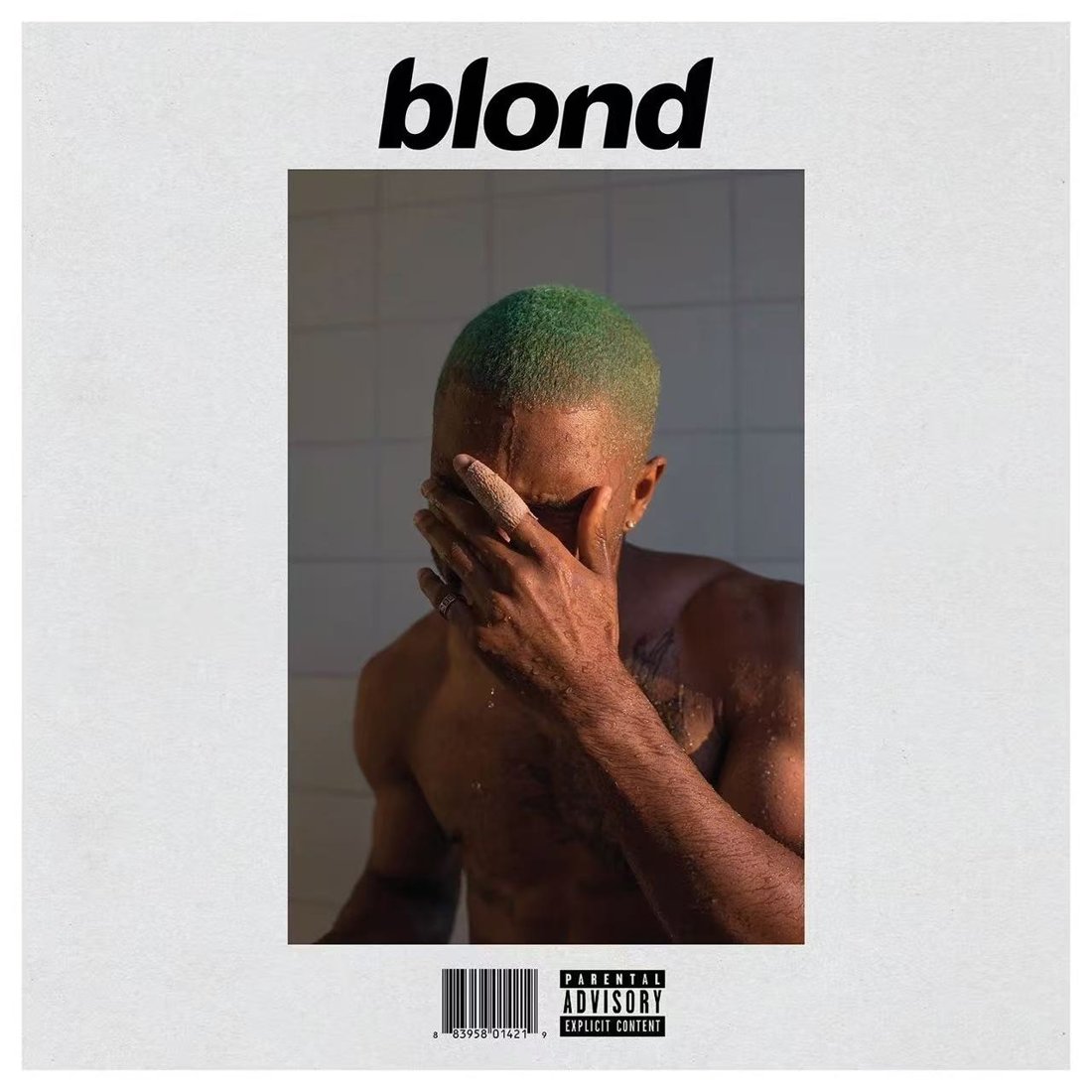
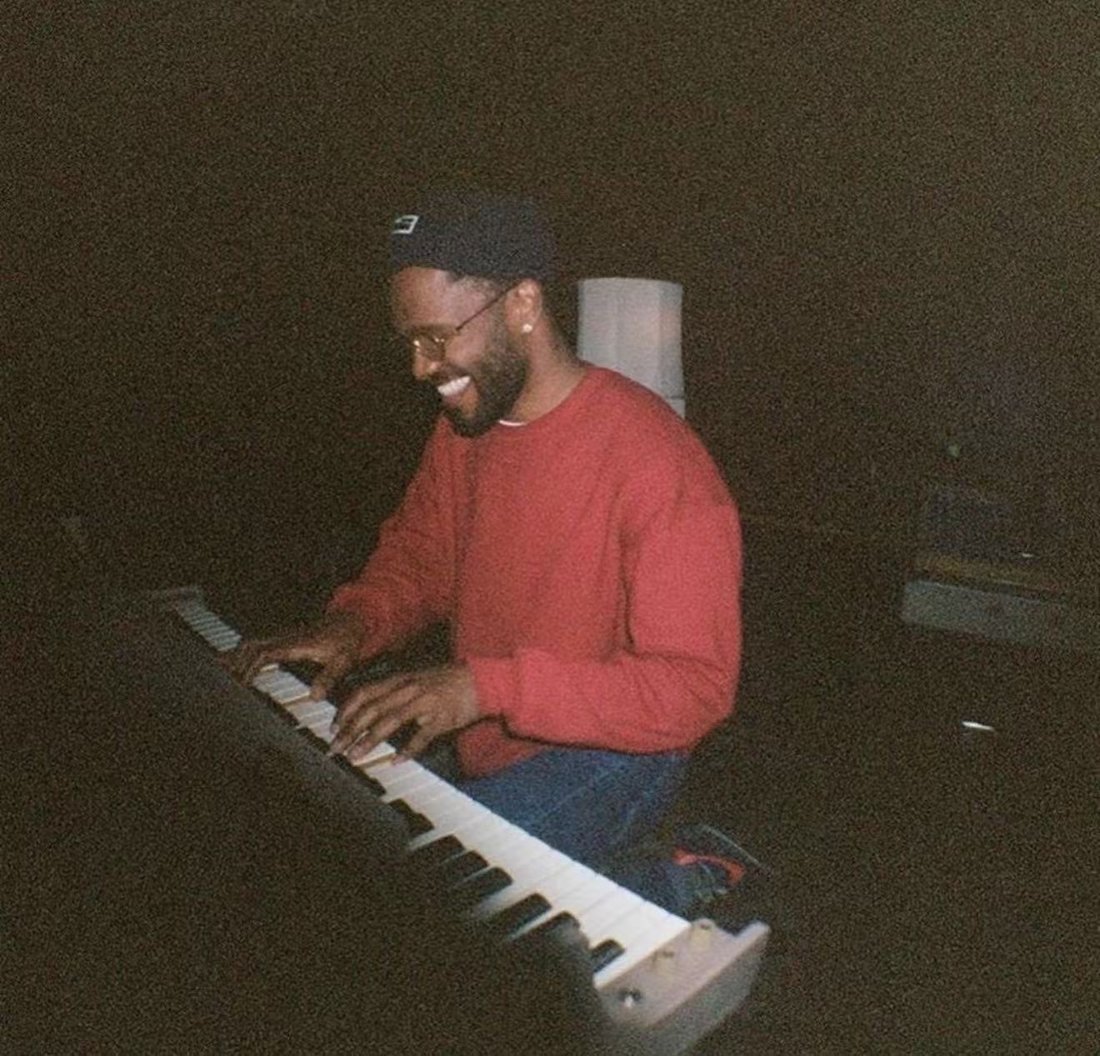
Portrait of Frank Ocean Blonde album cover
Blonde

The person behind the record

A little background.

Frank Ocean , born Christopher Edwin Breaux on October 28, 1987, is an American singer and songwriter associated with alternative R&B. His writing and recordings bring together soul, pop and experimental approaches. His honours include two Grammy Awards and a Brit Award.

Ocean wrote songs for other artists before joining the Los Angeles collective Odd Future in 2010. The independent mixtape nostalgia, ULTRA (2011) introduced his solo work to a wider audience. His first studio album, channel ORANGE (2012), won the Grammy for Best Urban Contemporary Album.

In 2016, he released the visual album Endless, followed by the independently released Blonde. Blonde reached number one on the US Billboard 200 and includes Self Control and White Ferrari, two songs discussed in this archive. These releases established the background to his later, more occasional singles.

Biographical background: Wikipedia / Frank Ocean ↗

A little context

Finding a voice.

Three useful moments, rather than a complete biography.

  1. nostalgia, ULTRA

    The independently released mixtape introduced Ocean's storytelling to a wider audience. It is an early point of reference for the everyday scenes that run through his later writing.

    Release context ↗
  2. channel ORANGE

    His debut studio album brought soul, gospel, and other styles into a collection of detailed character studies. It establishes a useful comparison with the inward focus of Blonde.

    Release context ↗
  3. Blonde

    Released on August 20, Blonde often places the voice inside sparse, changing arrangements. Self Control and White Ferrari both belong to this album; the spaces around them deserve attention.

    Release context ↗

A question to carry into the music

How does the move from a close, exposed voice to overlapping vocal layers change our sense of who is speaking, and to whom?

The focus track below provides one way into that question. These notes describe audible choices and offer a personal reading, rather than claiming to reveal the artist's private intentions.

Read the focus study →

One song in focus

Self Control

Observation first.
Interpretation second.

An editorial listening study, rather than a statement of the artist's intent.

Blonde album cover

FROM THE RECORD

Blonde

2016 / Focus track: Self Control

Play Self Control ▷

How does the move from a close, exposed voice to overlapping vocal layers change our sense of who is speaking, and to whom?

The opening immediately asks us to notice the voice as a sound. Its altered register creates a brief sense of distance before the more exposed singing arrives. I hear this shift as a movement between a remembered scene and the person trying to describe it. The recording gives us more than one version of the same speaker before the story has settled.

Through much of the song, the guitar leaves room around the vocal phrases. Without a heavy beat directing every moment, small pauses and changes in delivery become easier to hear. The words seem to arrive as thoughts rather than a polished speech. For me, that restraint makes the speaker's wish for closeness feel more uncertain, because there is so little sound to hide behind.

The closing section changes the scale of the recording. Overlapping voices repeat and extend the central plea, turning a private request into something that fills the space. Repetition matters here: the situation does not become simpler, even as the music grows fuller. I read the layers as several attempts to keep the same moment from ending, each one slightly out of reach of the others.

This is why the ending is worth hearing without skipping forward. Compare the first exposed phrases with the final vocal stack: what changes is the amount of musical space occupied by the feeling. The song does not need a tidy explanation to create an arc. Its arrangement lets a restrained admission become difficult to contain, while leaving the relationship itself unresolved.

On your next listen

  1. The altered vocal tone at the beginning.
  2. The space between guitar and vocal phrases.
  3. How the layered closing voices change the scale of the song.

Factual release context: Album track listing ↗ . The interpretations above are original listening notes.

Three ways in

Start listening.

A small route through the catalogue. Play a track here, follow a listening cue, and return to the detail that caught your ear.

Acura Integurl

The Lonny Breaux Collection / supplied recording

Play Acura Integurl ▷
Why this song
A brief early recording offers a useful starting point before the denser layers of Blonde. It also keeps the focus on how Ocean can build a scene with a voice and a small amount of accompaniment.
Listen for
Follow the piano pattern underneath the vocal. The accompaniment keeps returning while the phrasing moves around it. I hear the contrast as the difference between a steady setting and the unsettled person speaking inside it.

Supplied recording: Provenance note ↗

White Ferrari

Blonde / 2016

Play White Ferrari ▷
Why this song
This is a companion to Self Control for hearing how an arrangement can change the shape of a memory. The song gradually loosens its initial setting and asks the listener to follow the voice through the transition.
Listen for
Notice how the later section feels less anchored to a regular pulse. Listen for the change in vocal texture as well as the accompaniment. To me, the loosening suggests a memory becoming an imagined possibility rather than a fixed account.

Release information: Track listing ↗

Chanel

Chanel — Single / 2017

Play Chanel ▷
Why this song
The recurring hook makes this standalone single an accessible entry into Ocean's writing. Its measured pulse also makes it easy to hear the way he moves between a sung line and a more conversational delivery.
Listen for
Keep your attention on the vocal rhythm against the subdued accompaniment. Some phrases settle into the beat; others seem to turn away from it. I find that flexibility important to the song's shifting perspectives and refusal to stay in one position.

Release information: Track listing ↗

In their own words.

“Sometimes you lose something after being familiar with it”
GQ — Frank Ocean Is Peerless

An exact excerpt from the January 10, 2019 interview. Ocean is discussing how familiarity changes the feeling of performing a song.

“It's hard to see what somebody else sees sometimes.”
GAYLETTER — Frank Ocean, Issue 10

In his 2019 conversation with Tom Jackson, Ocean reflects on trusting other people's ideas while they are still taking shape.

“You gotta have your own discovery.”
GAYLETTER — Frank Ocean, Issue 10

In the 2019 interview, Ocean discusses the personal process of bringing an idea into the world.

“The expectation for artists to be vulnerable and truthful is a lot, you know?—when it’s no longer a choice.”
W — Frank Ocean Makes Moves Like Nobody Else

In Diane Solway’s interview for W, published September 30, 2019, Ocean questions whether artistic vulnerability should be compulsory.

“I like problem solving.”
GAYLETTER — Frank Ocean, Issue 10

In the 2019 interview, Ocean describes the appeal of bouldering, whose routes he sees as small problems to solve.

“Being reliable.”
GAYLETTER — Frank Ocean, Issue 10

Ocean's complete answer in the 2019 interview to the question about the quality all his close friends have in common.

Curious about another world? Follow the next portrait.

Daniel Caesar →

Listening Room